
The United States is at an important moment in its immigration story. In 2026, the country still hosts more immigrants than any other nation in the world.
More than 51 million foreign-born people now live in the US. This makes immigration one of the strongest forces shaping America’s future.
At the same time, the situation is changing. Deportations are rising. Border rules are tighter.
More people are leaving the country, some by choice and others through enforcement. For the first time in over 50 years, immigration growth has slowed.
This article explains what is happening, why it matters, and what lies ahead. It breaks down the numbers, the trends, and the long-term impact in clear and simple terms.
The Current Immigration Picture in the US
How Many Immigrants Live in the US?
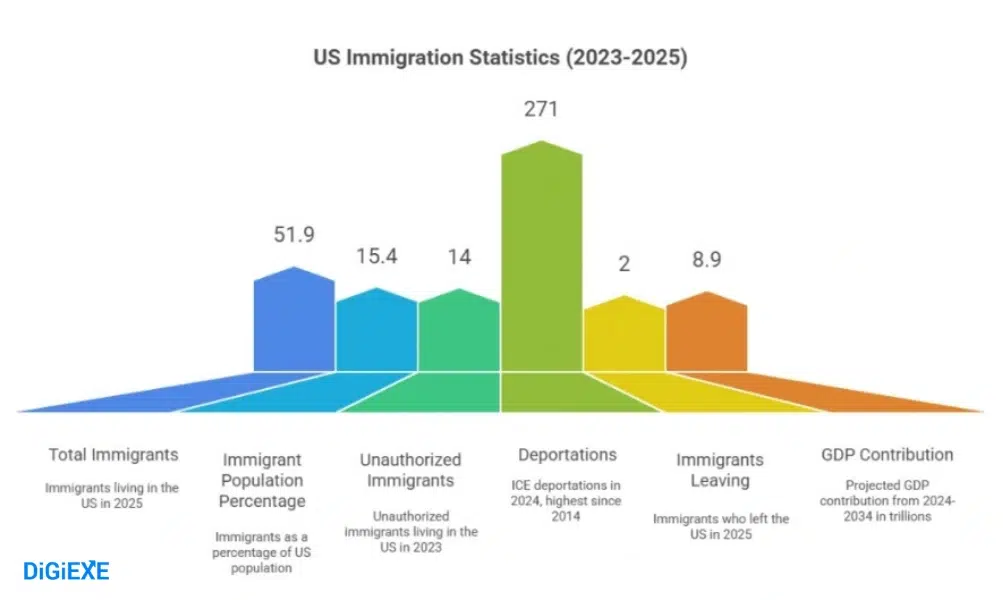
As of mid-2025, the US had 51.9 million immigrants, making up 15.4% of the total population.
Earlier in 2025, the number was even higher:
- 53.3 million immigrants
- 15.8% of the population, the highest share ever recorded
The recent drop happened because:
- Deportations increased
- More immigrants left voluntarily
- Border controls slowed new arrivals
This was the first real decline in more than five decades.
Immigration Growth Over Time
Immigration has shaped the US for over 200 years.
- In 1850, only 2.2 million immigrants lived in the country
- By 2025, that number had grown by over 2,000%
Key phases:
- High immigration in the early 1900s
- Sharp decline mid-century due to strict laws
- Strong growth after the 1965 Immigration Act
- Slower growth beginning in the mid-2020s
Even with recent declines, the US remains the world’s top immigrant destination.
Also read about: Average Household Income US Statistics
Legal Status: Who Are America’s Immigrants?
Breakdown by Legal Status (2023)
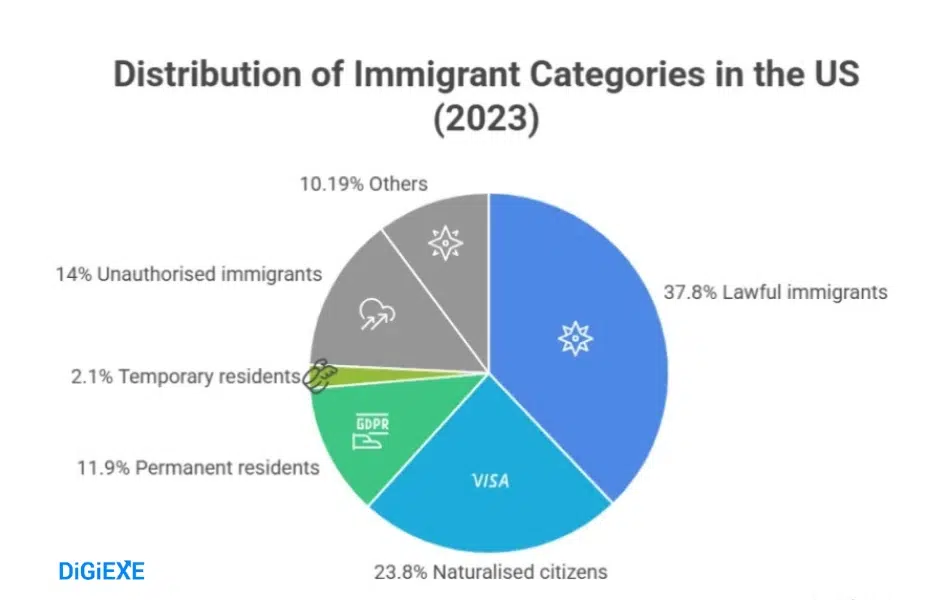
- Naturalized US citizens: 23.8 million
- Permanent residents: 11.9 million
- Temporary legal residents: 2.1 million
- Unauthorized immigrants: 14 million
Nearly half of all immigrants are now US citizens. This shows that most immigrants are not temporary. They settle, raise families, and build long-term lives in America.
Unauthorized Immigration
In 2023, the US had a record 14 million unauthorized immigrants.
Many:
- Have lived in the US for decades
- Have US-born children
- Work in key industries
This creates a major policy challenge. The country must balance:
- Border control
- Economic needs
- Humanitarian concerns
So far, no long-term solution has been agreed upon.
Deportation and Enforcement Trends
Rising Deportations
In 2024, ICE deported 271,484 people, the highest number since 2014.
In 2025:
- Over 2 million immigrants left the US
- Many left voluntarily due to enforcement pressure
ICE Detention in 2025
- About 46,000 people in detention at any time
- Peaks reached 66,000 detainees
- Over 8,800 deportation flights
The focus has shifted toward faster removals, not long detention stays.
Who Are Today’s Immigrants?
Age and Workforce Impact
Immigrants are mostly working age.
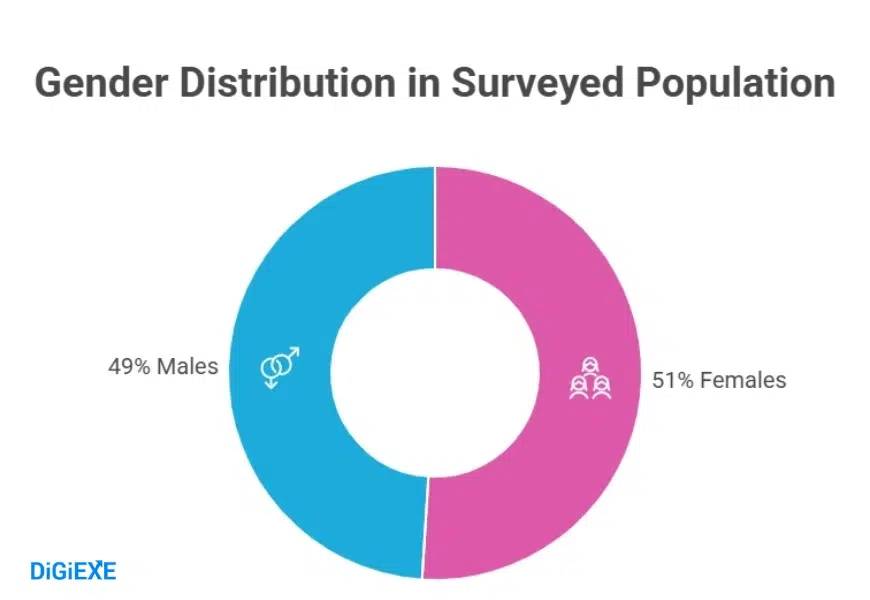
- 77% are between 16 and 64
- Only 5% are children
This makes immigrants vital to:
- Jobs
- Tax revenue
- Economic growth
Countries of Origin
Top source countries:
- Mexico
- India
- China
- Philippines
- El Salvador
India is now the fastest-growing source, especially in:
- Technology
- Healthcare
- Education
Immigration today is more global than ever.
Immigration and the US Economy
Economic Contribution
From 2024 to 2034, immigration is expected to:
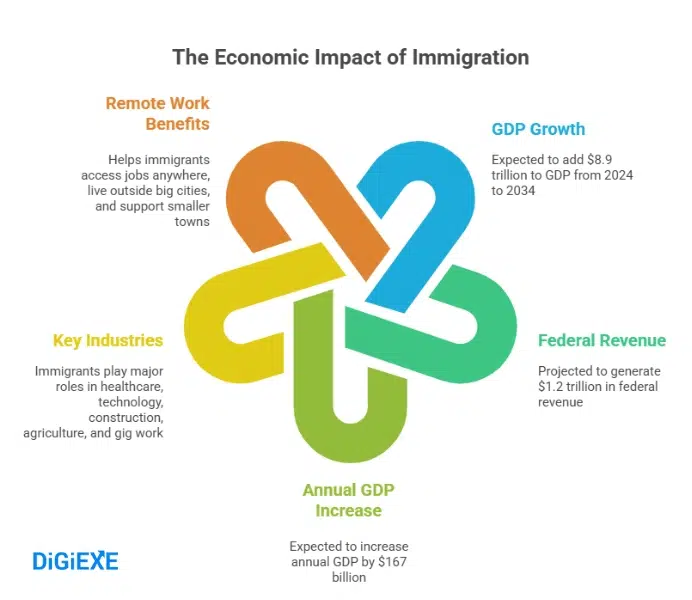
- Add $8.9 trillion to GDP
- Generate $1.2 trillion in federal revenue
- Increase annual GDP by $167 billion
Immigrants play major roles in:
- Healthcare
- Technology
- Construction
- Agriculture
- Gig work
Remote Work Changes Everything
In 2025, 27.5% of Americans worked remotely.
This helps immigrants:
- Access jobs anywhere
- Live outside big cities
- Support smaller towns and regions
What Happens If Immigration Is Restricted?
Experts warn that strict limits could cause:
- 6.8 million fewer workers by 2028
- 15.7 million fewer workers by 2035
- Up to $12.1 trillion in lost GDP
With low birth rates and an aging population, immigration helps keep the economy running.
What Comes Next?
Key Future Trends
- Slower growth, not a full reversal
- More enforcement-focused policies
- Rising skilled immigration competition
- Higher naturalization rates
- Immigrants spreading beyond big cities
Immigration will remain central to America’s future.
FAQs About US Immigration Statistics
1. How many immigrants live in the US as of 2026?
As of mid-2025, the US has 51.9 million immigrants, making up 15.4% of the total population. This number dropped from 53.3 million earlier in 2025 due to increased deportations and tighter border controls.
2. What caused the slowdown in US immigration growth in 2026?
The slowdown is attributed to higher deportations, voluntary departures, and slower arrivals due to stricter border enforcement. This is the first decline in immigration growth in over 50 years.
3. How many unauthorized immigrants are in the US?
In 2023, the US had a record 14 million unauthorized immigrants, many of whom have lived in the country for years, have US-born children, and contribute to essential sectors of the economy.
4. How does immigration impact the US economy?
Immigration is projected to add $8.9 trillion to the US GDP from 2024 to 2034 and generate $1.2 trillion in federal revenue. Immigrants play significant roles in industries like healthcare, technology, construction, and the gig economy.
5. What are the key immigration trends for the future?
Future trends include slower growth, a focus on skilled migration, rising naturalization rates, and immigrants spreading beyond major cities. Immigration will continue to be a central force in shaping the US economy and workforce.
Also Read:
- Social Media Statistics
- Twitch Statistics
- Google Searches Statistics
- LinkedIn Statistics
- Instagram Statistics
Final Thoughts
US immigration in 2026 tells a powerful story. The country depends on immigrants for growth, innovation, and stability. Yet it also faces political pressure, enforcement challenges, and social debate.
The choices made now will shape:
- The workforce
- The economy
- The nation’s identity
Immigration has always defined America. The real question is whether the country will manage it wisely—or miss the opportunity it offers.
Source: Wikipedia, American Immigration Council
